

Most people walk into a negotiation thinking they are stepping into a contest. The goal, in their mind, is simple. Beat the other person. Push harder. Hold your ground. Walk away with more than the other side. That idea feels strong and confident, but it quietly ruins many negotiations before they even begin. When someone enters the room trying to win, they often stop trying to understand.
Negotiation is not a competition. It is a conversation about solving a problem that affects two sides. Both parties want something, both parties have limits, and both parties need a solution that works well enough to move forward. When someone treats the situation like a battle, the focus shifts from solving the problem to protecting pride.
And pride is a terrible negotiator.
The best negotiators in the world do not walk into a room trying to defeat someone. They walk in trying to understand the situation better than anyone else at the table. Their goal is not victory. Their goal is clarity. Once they understand what truly matters to both sides, the deal becomes easier to shape.
That is when negotiation starts to work.
The Dangerous Myth of the “Win”
Many people believe a negotiation is successful only if they feel like they got the upper hand. If they leave the room feeling triumphant, they assume they did well. If the other person seemed uncomfortable or frustrated, they may even believe that proves they negotiated effectively.
But that feeling is often misleading.
A deal where one person clearly “wins” often carries hidden problems that appear later. The other side may feel pressured, cornered, or slightly resentful. They might agree in the moment, but their motivation to follow through weakens over time. A client who feels squeezed might become difficult later. A partner who feels pushed may quietly search for a way out.
People rarely stay loyal to agreements that made them feel defeated.
Strong negotiators understand something simple but powerful. The deal must make sense for both sides. Not perfect. Not amazing. Just reasonable enough that neither side feels taken advantage of. When both people feel respected, the agreement becomes stable.
Respect keeps deals alive.
Why Aggression Often Backfires
Many people assume strong negotiation means being aggressive. They think power comes from speaking louder, interrupting more, or pushing their demands harder than the other person. This approach might work in very rare situations, but most of the time it causes the conversation to stall.
Aggression triggers defense.
When someone feels attacked or pressured, their brain shifts into protection mode. Instead of listening, they begin preparing arguments. Instead of cooperating, they start guarding their position. Even good ideas can be rejected simply because the other person feels forced.
The result is a tense conversation where nobody moves.
Calm negotiators have a different presence. They are steady. They listen carefully. They respond thoughtfully instead of reacting emotionally. This calm behavior lowers tension in the room and encourages the other side to think clearly instead of defensively.
Ironically, the calmest person often becomes the most influential person at the table.
The Real Goal of Negotiation
If negotiation is not about winning, then what is the goal?
The real goal is alignment.
Alignment happens when both sides understand the problem the same way and begin working toward a solution that benefits them both. This does not mean everyone gets everything they want. That almost never happens. Instead, each side feels the outcome is fair enough to accept.
Fairness is powerful.
When people believe a deal is fair, they support it. They follow through. They protect the agreement because it also protects their own interests. This creates stability and trust, which are far more valuable than a temporary victory.
Think of negotiation like building a bridge. Both sides must feel confident enough to step onto it. If one side believes the bridge is unstable, they will hesitate to cross it.
A deal that only benefits one side is a weak bridge.
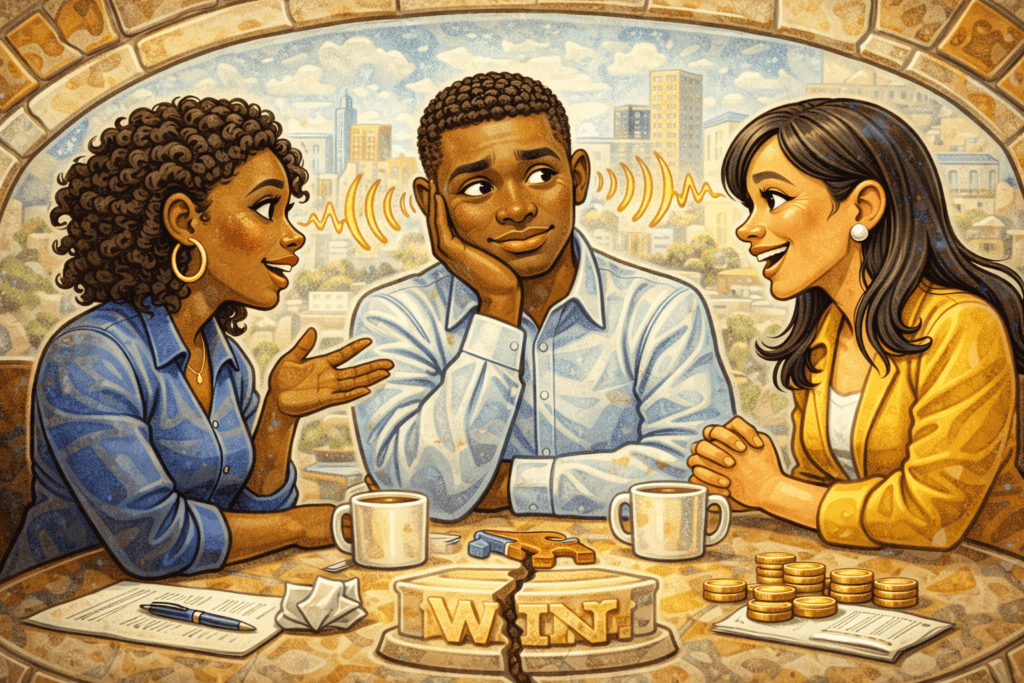
Listening Is the Real Negotiation Skill
Many people prepare for negotiations by gathering arguments. They rehearse what they will say. They collect facts, numbers, and reasons why their position is correct. Preparation is important, but talking is rarely the most powerful tool in the room.
Listening is.
Listening reveals information that arguments cannot. When someone explains their concerns, priorities, or constraints, they are offering clues about what truly matters to them. These clues help negotiators find solutions that might otherwise stay hidden.
For example, someone arguing about price might actually be worried about risk. Another person pushing for a fast timeline might simply need reassurance that the project will not fall behind schedule.
When negotiators stop listening, they miss these signals. They keep pushing the same arguments without realizing the real problem lies somewhere else.
The person who understands the situation best usually guides the outcome.
The Role of Ego in Bad Negotiations
Ego sneaks into negotiations more often than people realize. Someone questions your proposal, and suddenly the conversation feels personal. Someone challenges your numbers, and your brain hears criticism instead of curiosity.
At that moment, the negotiation shifts.
Instead of solving the problem, you begin defending your identity. You want to prove you are right. You want to show you are strong. You want to avoid looking weak in front of the other person.
This emotional shift changes everything.
Arguments become sharper. Listening becomes weaker. The conversation slowly turns into a contest of pride rather than a search for solutions.
Professional negotiators learn to separate themselves from the deal. A proposal can change without threatening their confidence. A disagreement does not damage their identity. When ego stays out of the room, flexibility becomes easier.
And flexibility often leads to better outcomes.
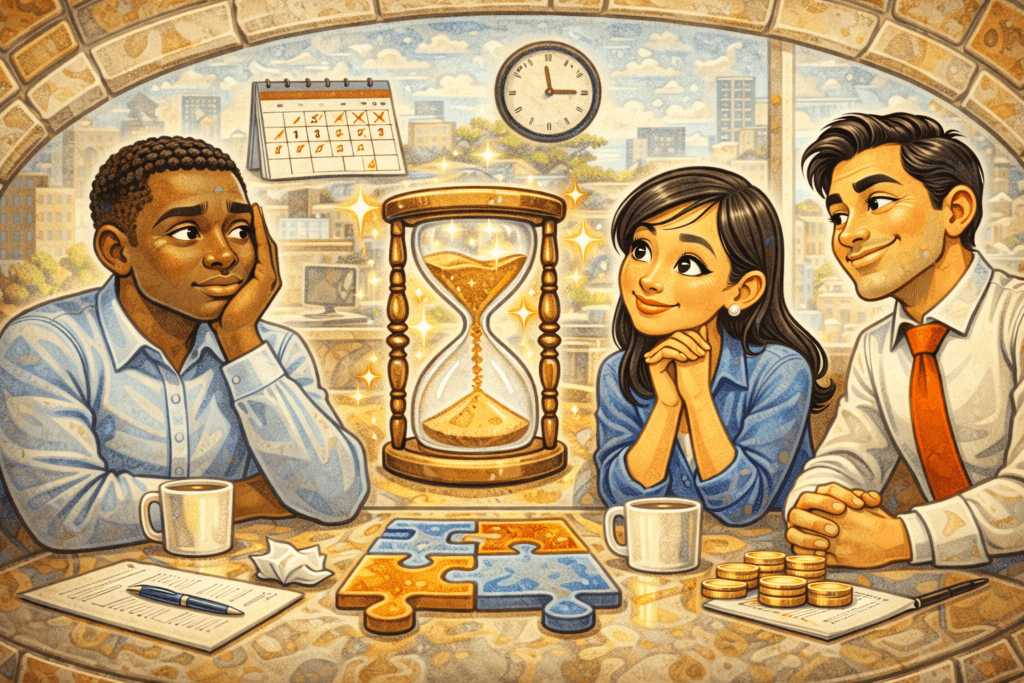
The Power of Patience
Negotiation rewards patience more than speed. Many people rush because silence feels uncomfortable. They fill quiet moments with explanations, extra concessions, or new offers just to keep the conversation moving.
But silence can be useful.
When people pause, they think. When they think, they process information more carefully. A thoughtful pause also shows confidence. It signals that you are comfortable with the pace of the discussion and not desperate to close the deal.
Patience changes the energy of a negotiation.
Instead of racing toward agreement, both sides slow down and consider the situation more clearly. This often leads to smarter decisions and stronger agreements.
The negotiator who can stay calm during quiet moments often gains subtle control of the conversation.
The Long Game of Negotiation
Many negotiations are not one-time events. The people involved may work together again in the future. A client today might become a partner tomorrow. A colleague across the table might later recommend you to someone else.
Because of this, negotiation has a long memory.
People remember how they were treated during difficult conversations. They remember whether you were fair, respectful, and reasonable. They remember whether the process felt cooperative or combative.
These memories shape future opportunities.
Someone who focuses only on winning the current deal may damage relationships that could have created greater value later. Someone who negotiates with fairness and respect often builds trust that leads to more opportunities over time.
The long game almost always beats the short victory.
What a Successful Negotiation Really Feels Like
A good negotiation does not feel like triumph. It usually feels like relief.
Both sides review the agreement, consider their priorities, and realize the solution works well enough. No one feels cheated. No one feels forced. The outcome may not be perfect, but it feels reasonable.
That quiet moment of agreement is powerful.
It means both sides believe the deal can work in real life, not just on paper. It means the relationship remains intact. It means the conversation built something useful instead of damaging trust.
That is the real signal of success.

The Mindset That Changes Everything
If someone wants to become better at negotiation, the first step is changing one simple belief. Stop viewing negotiation as a contest that must produce a winner and a loser. Start viewing it as a shared problem that requires a workable solution.
This shift changes how people behave in the room.
Instead of attacking positions, they explore interests. Instead of forcing decisions, they ask questions. Instead of protecting ego, they focus on understanding. These behaviors lower tension and encourage cooperation.
Ironically, this collaborative mindset often produces better personal outcomes as well. When people trust the process, they become more open to creative solutions that benefit everyone involved.
Negotiation stops feeling like a battle and starts feeling like progress.
And progress is far more valuable than victory.
Honesty—quiet or loud—starts with asking what your silence is really saying.
Canty